Emerging technologies in the time of COVID-19: how Computer Vision will help companies and cities
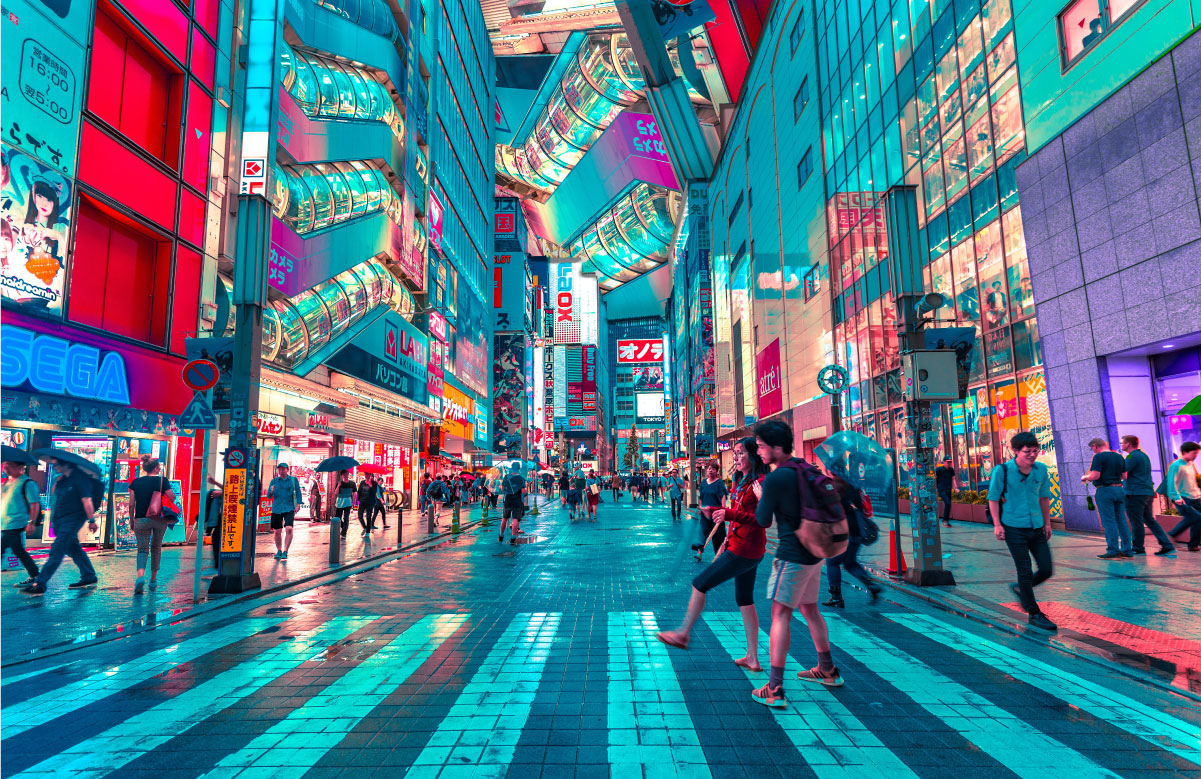
Change is the process by which the future invades our lives. Some changes are so slow as to be almost imperceptible, others are so fast as to be a game-changer, which shuffles our habits and our priorities, challenging us to readjust in a very short time to new scenarios. Among the changes that give very concrete meanings to this Darwinian vision, we undoubtedly place a global pandemic, a tsunami that has swept away consolidated dynamics and has really changed many aspects of our lives and our society in a few months, reminding us that the real strength, the one that translates into evolution, is the ability to adapt quickly to change.
Terms - and practices - such as smart working, social distancing, the contagion curve, and R0 have become part of our daily jargon and are having real effects on our lives. How long? Certainly, some of these effects will have, together with the famous curve, an intensity and a duration destined to reduce, but others are probably here to stay, and perhaps - for some of these - it is not bad news.

Let's think, for example, how the lockdown has drastically accelerated the digitization processes of numerous company systems, “forced” to dematerialize some of their assets and finding a way to replace internal and external communication from the physical to the telematic one. A step that was probably imagined for some, planned for others, but which was pushed in a very short time to the realization phase, becoming part of the business processes probably forever. Of course, even before this pandemic, 70% of companies had a digital transformation in place or were planning it, but COVID-19 is really forcing companies to implement digital transformation.
One of the most popular memes of the last period, in addition to making many smiles, summed up this global dynamic perfectly and with a not too veiled criticism:
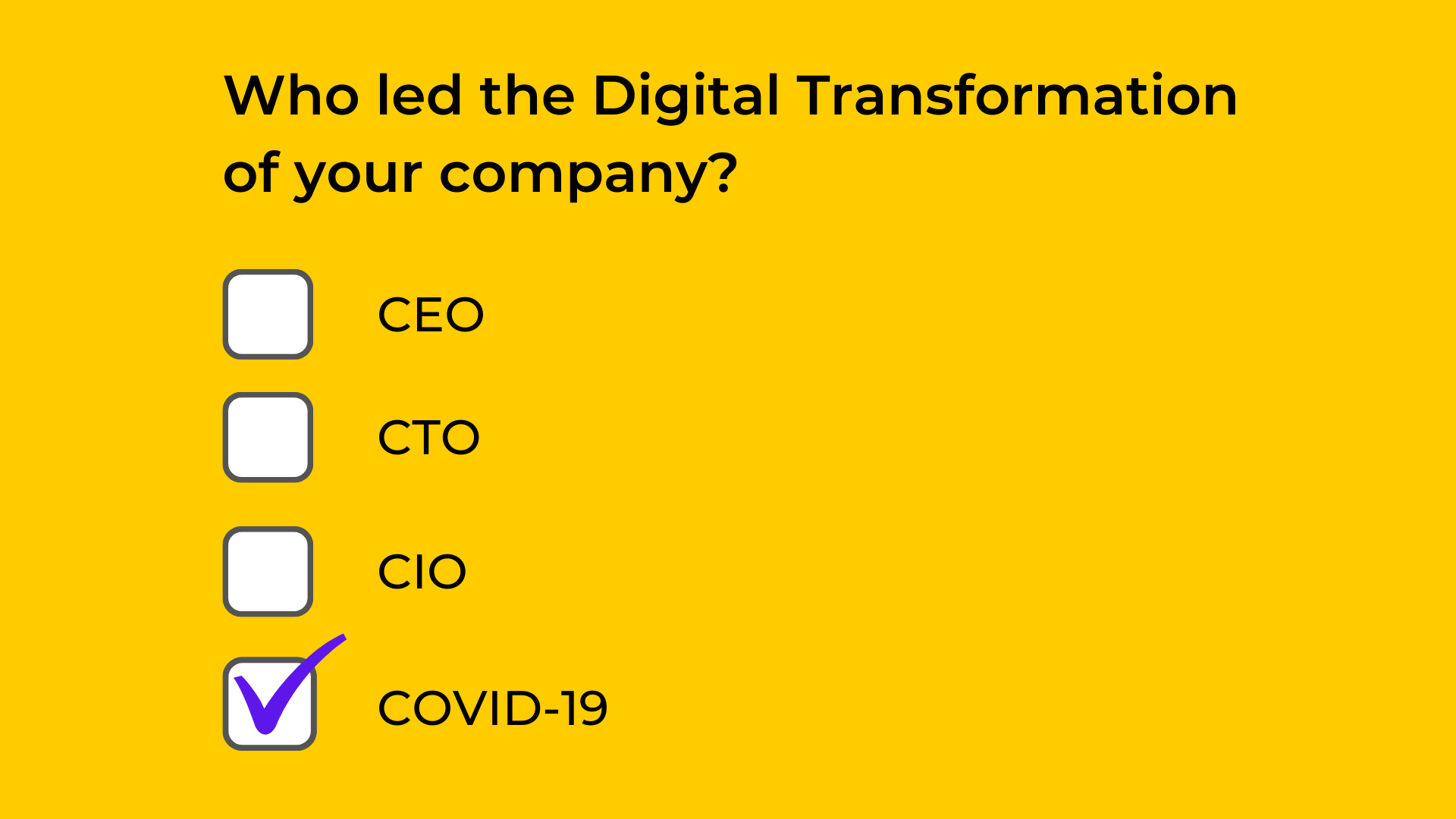
The pandemic has prompted companies to review their strategies, influencing their business models, personnel management, processes, and communications. The right technological contribution now seems to have become essential to ensure business continuity. In such a rapidly evolving situation, the most difficult challenge is to balance what is best for the company, guarantee the work of resources, and still offer an excellent customer experience: impossible to do without the right strategy and tools.
New tools, therefore, to meet new needs. But also new applications of existing tools.
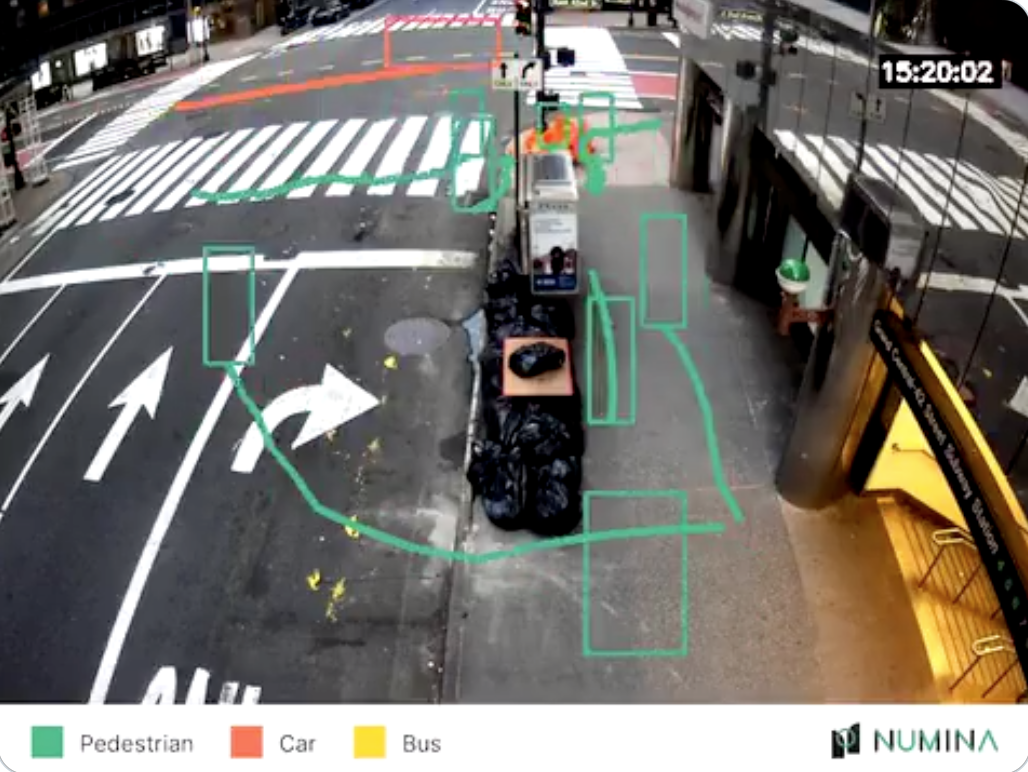
Among the most interesting trends in the panorama of technologies at the service of emergency management, we find the use of Computer Vision tools and techniques to optimize the monitoring of urban spaces and guarantee in an automated way compliance with the rules of social distancing, allowing a huge number of assets to continue to operate easily in total safety. Mapping how people use urban space and practice distancing is a prime example of how to use existing - and ever-evolving - technology to respond to new needs.

An interesting tool was created by Numina, a company that specializes in monitoring urban movements and traffic using video data. Previously, the company used this data to help cities control vehicle and pedestrian traffic. A new form of tracking is now possible thanks to Computer Vision: Multi-object tracking allows objects and their paths to be tracked and focused, while depth measurements allow actual distances to be recorded. Applications of inestimable value for public administrations, which will thus be able to verify, in real-time and by studying big data, the real ability of large groups of people in respecting the guidelines of social distancing, even in particularly complex ecosystems such as pedestrian traffic in a metropolis.
Not only public needs but also, of course, business needs.
In fact, the possibilities that this intelligent monitoring technology can have in supporting commercial activities, and in particular those involving contacts with the public, are enormous. The Stores are in fact the activities most affected by the Lockdown and must, more than the others, adapt quickly.
In this case, a technology like OpenCV People Counter could prove decisive for the future of many stores.
As shown in the video illustrating how it works, this simple but effective application would allow for example to count customers at the entrance of a store with extreme speed and precision, count those already inside, and ensure that the maximum number of presences allowed never exceeded, fully automating the process.
This would have numerous positive effects. Reduce the number of resources assigned to safety monitoring, making their work extremely easy, and above all provide a guarantee of store safety, perceived by both workers and customers, significantly improving the quality of work and the public experience.
From the public sphere to business, from health and safety needs to commercial ones, the tools that Computer Vision makes available to organizations are in continuous development, like the new needs that social ecosystems discover they have, especially in periods of such rapid changes. But as we know, the new scenarios not only bring new difficult challenges but also many new opportunities. And knowing how to imagine them, understanding how to exploit them, is the key to not being overwhelmed by the tsunami, but rather to ride its wave. We need the right vision.
Do you want to find out how CV-based software can be adapted to your business and how it can bring value to your company?
Frankhood is one of the first Italian Companies that has developed software with this technology and we know exactly how it can improve your processes and your work.